



Key takeaways
- The 2026-27 Federal Budget announced that negative gearing will be limited to new builds from 1 July 2027. This is an announced measure, not yet law.
- Buy an established home after Budget night (7:30pm, 12 May 2026) and rental losses can no longer reduce your salary or wage income. They are quarantined and carried forward against future property income instead.
- New builds, and any property you already held before Budget night, keep the current negative gearing rules.
- The free PropCompare cash flow calculator now models all three situations, so you can see the after-tax difference on your own numbers in about two minutes.
What changed in the 2026-27 Budget
In the 2026-27 Federal Budget, the Australian Government announced a change to how negative gearing works. The official wording, from the Government's own Budget site, is that it will "limit negative gearing to new builds from 1 July 2027".
In plain English, is the arrangement that lets a property investor reduce their salary tax using a rental loss. The Budget narrows where that is allowed.
Two dates matter:
- Budget night: 7:30pm, 12 May 2026. This is the cut-off for grandfathering. Anything you already held before this moment keeps the current rules until you sell it.
- 1 July 2027. This is when the new rules start to apply for affected purchases.
There was also a separate capital gains tax change announced in the same Budget (the 50% CGT discount being replaced with an inflation-based discount and a minimum 30% tax on gains, from 1 July 2027). That is about what happens when you sell, not your year-to-year cash flow, so the calculator described below deliberately stays out of it. This article does the same. Both are sourced from the Australian Government Budget 2026-27 tax reform page and the Australian Taxation Office.
What it means depends on your situation
The reform splits investors into three groups. Which one you are in depends on what you are buying and when you bought it, not on your income.
- Buying a new build. Full negative gearing continues. A rental loss can still reduce your salary income, before and after 1 July 2027. The Government has kept this to encourage new housing supply.
- Buying an established home after Budget night. This is the big change, and it covers the large majority of stock on the market. Rental losses can only offset other residential property income (including future capital gains), not your wages or salary. Any unused loss is "quarantined" and carried forward to a future year.
- Already owned it before Budget night (grandfathered). Nothing changes. The current rules apply until you sell, regardless of whether the home is new or established.
The practical effect for most buyers is that the after-tax cost of holding an established investment property looks different from 1 July 2027 than it does today. Not because the property changed, but because the tax treatment of the loss did.
See it on your own numbers
Reading the rule is one thing. Seeing what it does to a specific purchase is what actually helps a decision. That is what the free PropCompare cash flow calculator is for.
It is a public tool. No sign-up is required to use it. You enter the property price, your loan, the rent and the running costs, and it returns the weekly and annual cash flow, before and after tax, with the negative gearing reform built into the tax step.
What the calculator does
The calculator is built around one plain-English question and a clear set of numbers.
- "What is your situation?" A single four-option question (buying a new build, buying an established home, already own it from before Budget night, already own it from after Budget night) sets the correct negative gearing treatment for you. You do not need to know the tax mechanics. The calculator applies them.
- Upfront costs. Stamp duty and the cash you need to complete the purchase are estimated and shown separately, so the entry cost is not hidden.
- Loan, income and expenses. Interest, rates, insurance, management fees, maintenance and the rest are entered in plain sections. Nothing is buried.
- After-tax cash flow. The headline number, weekly and annually. When the reform restricts a loss, the calculator shows the quarantined amount as a separate carried-forward line, with a note explaining it is deferred, not lost.
- A clear breakdown and chart. Every figure that feeds the result is visible, so you can see exactly where the money goes.
- Email yourself the result. A branded PDF of the scenario, useful for taking numbers to a broker, a buyer's agent or your accountant.
- Share a scenario. A link that reproduces the exact inputs, so you can send a scenario to a partner or adviser and they see the same thing.
A worked example: the same home, three situations
To show why the situation question matters, here is the same hypothetical established home, same investor, modelled three ways. The figures are simplified for explanation, not advice or a forecast.
| New build | Established (post-Budget) | Owned pre-Budget | |
|---|---|---|---|
| Annual rental loss before tax | $12,000 | $12,000 | $12,000 |
| Loss deductible against salary? | Yes | No (quarantined) | Yes |
| Approx tax benefit this year | ~$4,500 | $0 this year | ~$4,500 |
| What happens to the loss | Reduces taxable income now | Carried forward to future property income | Reduces taxable income now |
| After-tax cash flow (rough) | Better | Lower until the loss can be used | Better |
The property is identical in all three columns. The only thing that changes is the situation, and the after-tax result moves with it. That gap is the entire point of running your own numbers before you commit, rather than after.
Linking it to your property shortlist
The public calculator works for any address you can describe in numbers. There is also a version connected to your PropCompare property shortlist.
When you analyse a property in PropCompare and save it, the per-property cash flow calculator pre-fills with that property: the market value you entered and the weekly rent estimate flow straight in, so you are not retyping numbers. You get the 30-plus risk and lifestyle factors (flood, bushfire, zoning, orientation, main road, and the rest) and the cash flow picture for the same property, in one place.
That combination is the useful part. A property can look good on cash flow and carry a flood overlay. It can be clean on every risk factor and never wash its face on cash flow. Seeing both for each property on your shortlist is a more honest picture than either number on its own.
Frequently asked questions
Related reading
 Critical property factor
Should you buy the worst house on the best street?
Australian property advice has said it for decades: buy the worst house on the best street. The number behind the rule, and when it actually works.
 Critical property factor
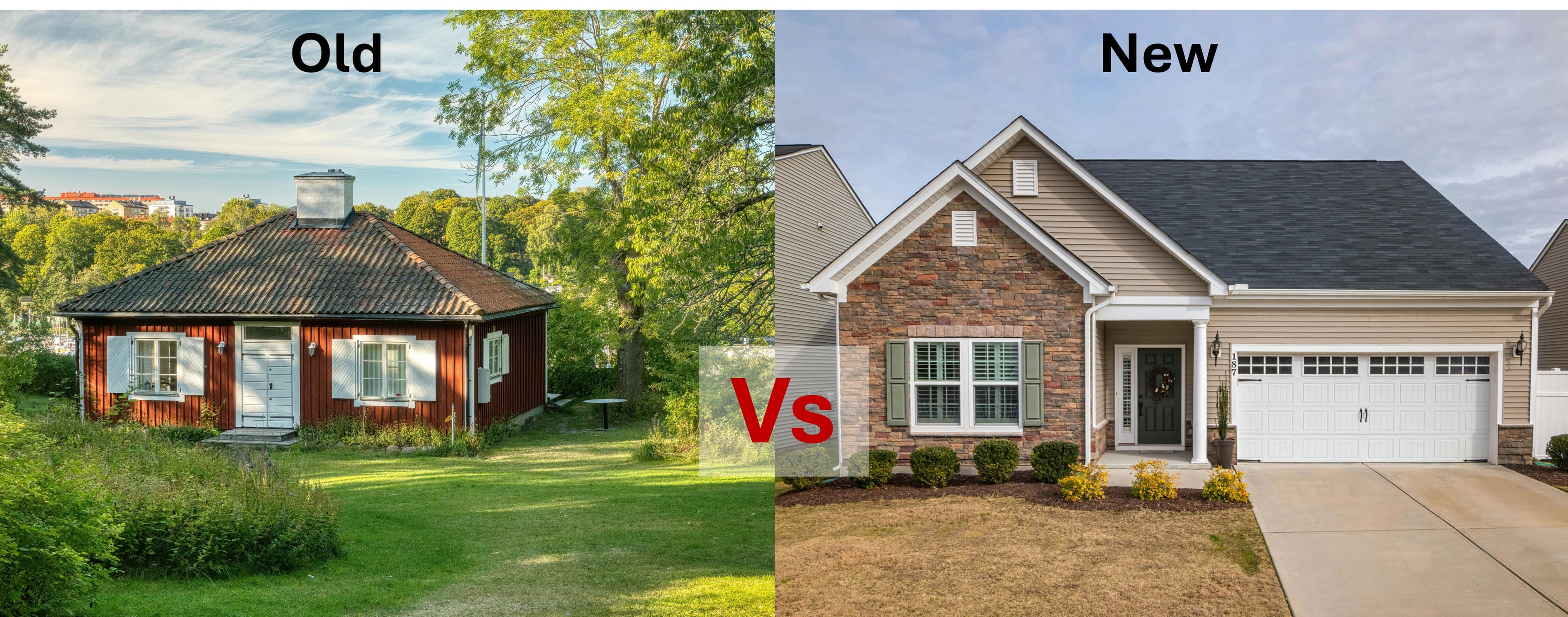
Why an older house can outperform a brand-new one
An older house and a brand-new one can do very different things to your wealth. Land appreciates, buildings depreciate, and the gap is bigger than most buyers think.
 Important property factor
How much is a north-facing house actually worth?
Australian buyers paid an average of $375,500 more for north-facing homes in 2025. And 'north-facing' does not mean what most first-time buyers assume.