

Key takeaways
- In Australian real estate, 'north-facing' refers to the rear of the home (backyard and outdoor-living areas), not the front. This is the convention the entire market uses.
- A north-facing rear gets roughly 6 hours of direct winter sun. A south-facing rear gets about 2. That gap is the reason orientation matters for both lifestyle and resale.
- The Domain Sustainability in Property Report 2025 found north-facing homes sold for around $375,500 more on average than non-north-facing comparables nationally.
- Beyond resale, a well-oriented home can cut heating and cooling bills by 60-80% versus a poorly oriented one of the same size, according to Australian government passive-design guidance.
What "north-facing" actually means in Australia
This trips almost every new buyer up. In Australia, a "north-facing house" is one where the rear of the home (the backyard, deck, pergola, main outdoor-living area) faces north. The front door usually faces the opposite direction onto the street. Agents, valuers and architects all use this convention, even when listing copy mentions "north-facing" without spelling it out.
The reason the rear matters more than the front is daily life. The kitchen window over the sink, the family-room glass doors, the deck you eat dinner on, the lawn the kids play on, the vegetable patch. All of these tend to sit at the back of the house. A north-facing rear puts the sun on those parts of the home for most of the day, year-round.
Some terms you will see in listings and reports:
- is the planning/architecture word for the same idea as orientation.
- is the broader design philosophy that orientation feeds into.
- True north is geographic north (the pole), which is what matters here. Magnetic north (what a compass needle points to) is a few degrees off, and it does not matter for buying decisions.
The Australian government's YourHome guide notes that a true-north aspect is ideal, but anywhere from 10 degrees west of north to 20 degrees east of north still captures most of the benefit. In practice, "north to north-east" is the sweet spot for most Australian climates.
The real money behind the orientation premium
Buyers do not pay extra for a compass direction. They pay extra for what the compass direction delivers: a lighter home, a warmer home in winter, a more usable garden, and lower power bills.
Source: Domain Sustainability in Property Report 2025 (published May 2025). The figure is the average gap between sale prices of north-facing properties and otherwise-comparable non-north-facing properties across Australia.
That figure looks dramatic at first glance. Some context: it is a national average, it includes the lifestyle and energy-bill premium that buyers price in, and it does not mean a north-facing house in your suburb will sell for $375,500 more than the equivalent south-facing one. What it does say is that across thousands of comparable sales, the market consistently rewards north-facing rears with a meaningful price lift. Domain's same report found solar panels added around $140,000 and double glazing around $145,000 to sale prices, so the premium for orientation alone is comfortably the largest of the three energy-related features they tracked.
Why is the premium so large? Two reasons. First, you cannot retrofit orientation. You can install solar panels, you can swap windows, you can add insulation. You cannot rotate the house. Second, the lived comfort gap between a north-facing and south-facing rear is something every Australian family notices on the first cold winter Sunday in the new home.
Maya and Dan: same street, opposite ends
Maya and Dan are looking at two near-identical townhouses on the same Melbourne street. The street runs east-west. Maya's preferred townhouse is at the eastern end of the row and faces its rear deck and garden to the north. Dan's is at the western end and faces its rear to the south. Same builder, same year, same floor plan, same finishes.
| Maya (north-facing rear) | Dan (south-facing rear) | |
|---|---|---|
| Listing price guide | $1,180,000 | $1,080,000 |
| Direct winter sun in main living area | ~ 6 hours/day | ~ 2 hours/day |
| Annual heating and cooling cost | $700 to $1,200 | $2,000 to $3,000 |
| Outdoor deck / garden usability in winter | Sunny most of the day | Mostly shaded |
| Time on market when reselling | Typically faster, broader buyer pool | Often longer, narrower buyer pool |
| Premium captured at next sale | Carries the orientation premium with it | Carries the orientation discount with it |
The list-price gap is real on day one. The lived-experience gap shows up every winter and every summer for as long as Maya and Dan own their respective homes. Over a typical hold, the recurring energy-bill saving alone can cover most of the upfront price gap, before you count the resale premium.
Beyond the price tag
Three angles that do not show up on the listing.
1. Energy bills
The Australian government estimates that climate-smart home upgrades, of which passive design and orientation are the cheapest to access, save Australian households around $1,500 a year on average. Brisbane case studies cited in industry research show passive-solar homes spending $500 to $800 a year on heating and cooling, against $2,500 to $3,000 for standard builds of the same size. Power prices in Australia have risen materially over the last few years and are unlikely to fall back, so this is a permanent and growing wedge.
2. Garden, light and indoor comfort
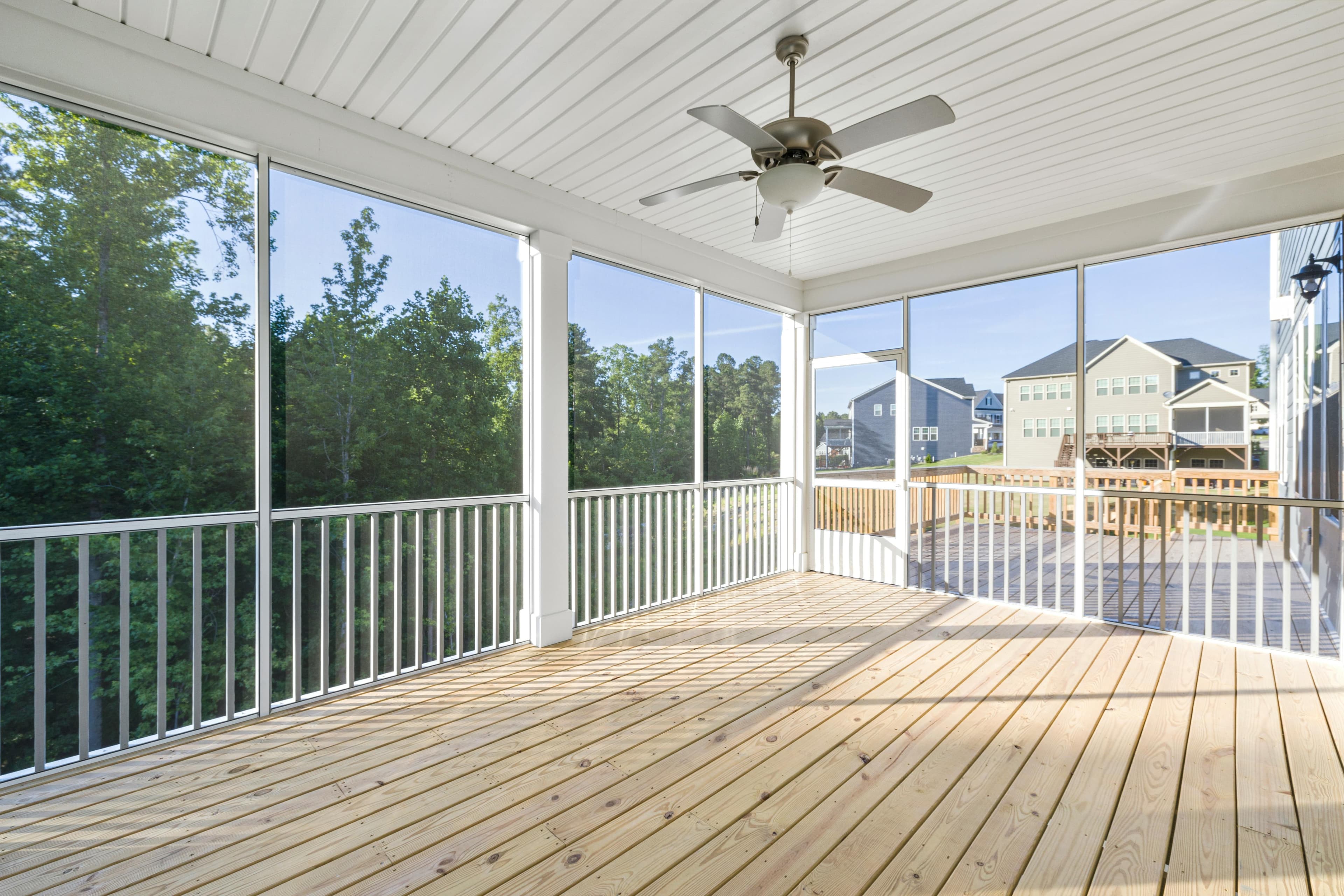
A north-facing rear lets you grow vegetables, dry washing in winter, sit on the deck on a Sunday afternoon in July, and bring real daylight into the kitchen. South-facing rears struggle with all four. The intangibles compound: families who use their outdoor space tend to use it more, host more, and feel less of the winter blues that come with dim living rooms.
3. Resale demand
Domain's 2025 report also found that energy-efficient homes attracted around 14% more buyer views online than otherwise-comparable listings. That broader top-of-funnel translates to faster sales, more competitive bidding, and a lower risk of price reduction during the campaign. North-facing is the single most-searched orientation in Australian property listings.
Common misconceptions
- "South-facing means the house is unliveable." No. South-facing homes are perfectly comfortable; they just trade at a smaller premium. Many architecturally clever homes solve south-facing rears with skylights, glazed extensions, and reconfigured floor plans. The market still discounts them, but they are far from broken.
- "It is the front of the house that needs to face north." No. The convention is the rear. A "north-facing house" in any AU agent's language has its backyard facing north. If a listing says "north-facing" and the front door faces north, ask the agent to clarify what is at the back.
- "I will just put in air conditioning and not worry." AC works, but you pay for it forever. Passive solar warmth and natural light are free. Over a 10-year hold the difference adds up to thousands.
- "It only matters in cooler states." Winter sun matters in Brisbane and northern NSW too, just with different weighting. The summer-sun question changes (eaves and overhangs become more important to keep the high sun out) but the rear-aspect premium does not disappear.
- "You cannot tell from photos." You can. Look for shadows in the listing photos and use the listing map to check the orientation of the block. North is always at the top of standard map views unless flipped.
Frequently asked questions
Related reading
 Critical property factor
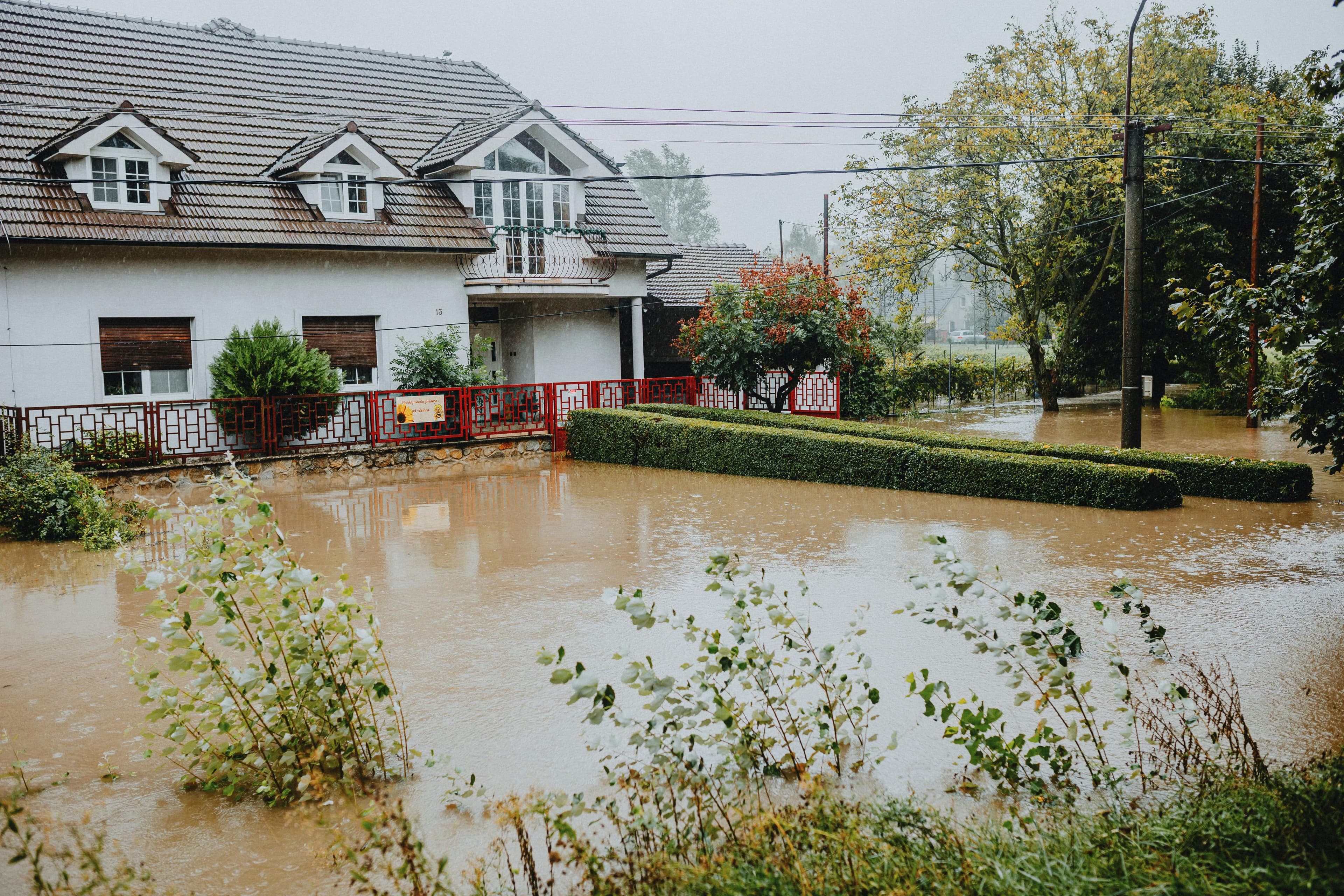
Flood zones in Australia: what every property buyer should know
Flood-zone homes trade at around an 8.5% discount and lag the market for years. Here is what every Australian buyer should weigh before making an offer.
 Critical property factor
Why bushfire-zone homes trade at a premium, until they don't
Building a home to BAL-29 can add $30,000 to the price. The full picture of what bushfire-zone living costs Australian buyers, from construction to insurance to resale.