


Key takeaways
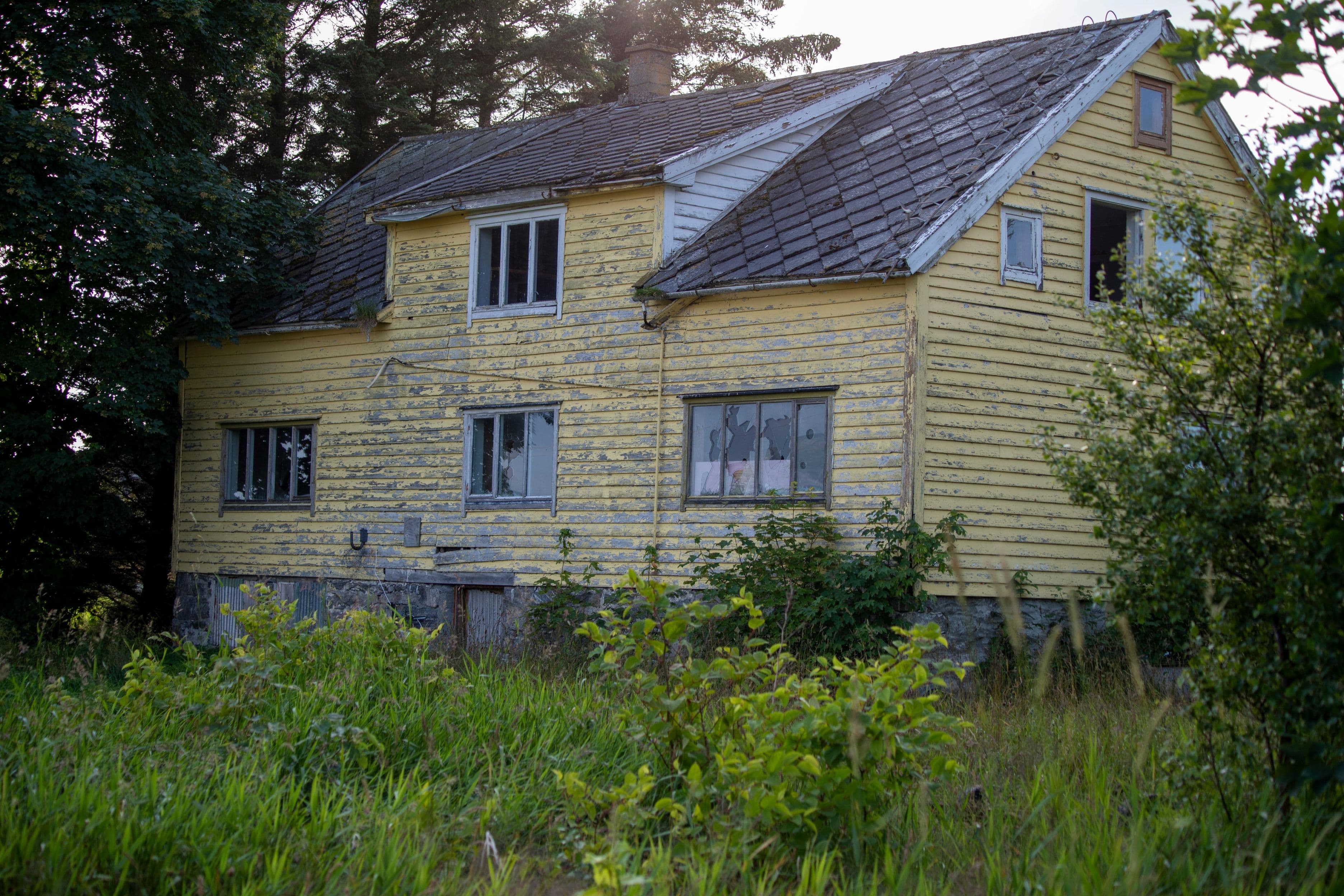
- The 'worst house on the best street' idea has been a staple of Australian property advice for decades. The reason it sometimes works comes down to one simple number: how your home's price compares to the suburb's typical price.
- Buying for less than the suburb's typical price can give your home room to grow toward it. Paying more means the suburb has to do extra work just for your home to keep up.
- Below the median is only smart when the gap is for surface reasons, like a tired kitchen or dated paint. If the gap is because the property has real structural or legal problems, the discount is the market warning you.
- PropCompare uses this ratio as one of 30+ factors in every property analysis, with the sweet spot at around 75% to 100% of the suburb median.
What is a suburb median?
Imagine five houses sold on the same street last year. They went for $400,000, $500,000, $600,000, $700,000 and $800,000.
The median is the middle one. In this case, $600,000.
That is a suburb median in miniature. The real number is calculated the same way, just across every house sale in the suburb over the past 12 months. The median ignores the extremes (the rundown one nobody wanted, the trophy home on the best block) and tells you what a typical sale in the suburb looks like.
The median is not the same as the average. If one $5 million home sold last year, that pulls the average right up. The median does not move much. It is the more honest number when you are trying to read a suburb.
How to work out your ratio
It is one division.
Take the price of the home you are looking at. Divide it by the suburb median.
Example: a $675,000 home in a suburb where the median is $900,000.
$675,000 ÷ $900,000 = 0.75, which means the home is sitting at 75% of the median.
You can also flip it and read it as a discount: the home is 25% below the suburb median. Both readings say the same thing. If you enter the market value and the suburb median into PropCompare, the platform does the division for you and scores the result against the value bands.
The suburb median itself is easy to find. The free property portals (realestate.com.au and Domain) publish suburb profiles with the current median. Your local council often does the same. For a paid, more detailed view, Cotality (formerly CoreLogic) and the state Valuer-General also publish data.
The real reason people say "buy below the median"
Three reasons that buyers' agents and Australian property commentators have given for decades.
Reason 1. Your home has room to grow.
A home priced below the suburb median has somewhere to grow toward. Repaint the walls, replace the kitchen, tidy the garden, and the home edges toward what similar homes in the suburb already sell for. You are not creating new value out of thin air. You are unlocking value the land already had, that was hidden behind a tired building.
Reason 2. The suburb does the heavy lifting.
When you buy in a good suburb, the suburb pulls your home along. New schools open. The bus route gets a frequency upgrade. A new cafe strip arrives two streets away. More buyers want in. Those things lift the suburb's median over time, and your home rises with it. You get a tailwind even if you do nothing.
Reason 3. Less competition at the open home.
Most buyers want a finished, ready-to-move-in home. The "worst" home on the street has fewer people bidding for it on a Saturday. That gives you a better entry price for a location you could not otherwise afford.
These three reasons are why the rule survives. The catch is that all three only apply when the discount is because the home is cosmetically tired, not because it is fundamentally broken.
When buying below the median is a smart move
The discount is a real opportunity when:
- The suburb is established or clearly improving (new transport, schools, infrastructure, demand growing year on year).
- The home itself just needs cosmetic work. Paint, kitchen, bathroom, landscaping. Things you or a builder can fix predictably.
- The street is one of the better ones in the suburb. Walkable to amenity, leafy, low traffic.
- A pre-purchase building inspection comes back without major surprises.
In that combination, the gap between your purchase price and the suburb median is the market handing you equity. You picked the property up cheap because it looks tired, and the suburb does the rest of the work over time.
For investors, the same logic carries an extra benefit. The equity uplift between purchase and median creates room for refinancing, releasing capital for further deposits, or growing a portfolio without needing to sell. Buyers' agents who specialise in investment property often steer clients toward this part of the curve for that reason.
When buying below the median is a warning sign
The same discount can mean the opposite.
If a home is selling for less than half of what similar homes in the suburb sell for, the market is usually telling you something. Common reasons:
- Major structural issues (cracking, subsidence, termite damage, dodgy roof).
- Contaminated land (former petrol station, dry cleaner or industrial site).
- A registered easement, or a heavy flood, bushfire, heritage or zoning overlay that restricts what you can do.
- Title issues (caveats, encumbrances, ownership disputes, illegal additions).
- Something next door that drags value down (a high-voltage transmission corridor, a busy main road, a public housing development).
A property priced at 30% or 40% of the suburb median is not usually a bargain. It is the market trying to warn you. Pre-purchase inspections, a careful read of the contract and the title, and an honest look at what is around the property all matter much more than the cheap price tag.
When paying above the median can still make sense
The other end of the curve. Paying more than the suburb median sometimes works.
It works when the home is genuinely a step above the typical suburb stock. A bigger block, a better build, a premium position. Buyers willing to pay for that quality will still exist in ten years, so the premium holds.
It does not work when you over-renovate for the suburb. A $1.5 million renovation in a $600,000 suburb rarely comes back at sale. The market quietly re-prices the home back toward what the suburb supports, and you wear the gap. The Australian property folk wisdom calls this "over-capitalising". It is the most common avoidable mistake at the top end of the price curve.
Patrick and Nathan: same suburb, two different bets
Patrick and Nathan are buying in the same outer-Melbourne suburb. The suburb median is $700,000.
| Patrick (75% of median) | Nathan (130% of median) | |
|---|---|---|
| Purchase price | $525,000 | $910,000 |
| What the home looks like | Tired 1970s brick, original kitchen | Recently renovated, designer finishes |
| Time to live in it as is | Liveable, paint and update over time | Move in, no work needed |
| Room for the home's value to grow | Plenty; clear path back toward median | Limited; already above median |
| Expected 10-year capital growth | Tracks the suburb plus a renovation lift | Tracks the suburb at a discount |
| Buyer pool when reselling | Broad; entry-level and renovators both bid | Narrower; only premium buyers in this suburb |
Patrick puts in a kitchen and paints the place in year three. By year five, the home has caught up to the suburb median through both his work and the suburb's natural rise. Nathan moves into a beautiful home on day one and pays for the privilege every month, but his 10-year resale tracks the suburb. The home that looks tired today is the one with the most room to grow.
Common misconceptions
- "Cheaper is always better." Not true. Below half the suburb median is usually a warning, not a deal. The market sees what you are missing.
- "The median is the average." Different number. The median is the middle sale; the average can be pulled around by one or two outlier sales. Always use the median for suburb comparisons.
- "You can renovate your way out of any price gap." Renovating helps, but only up to what the suburb supports. Spending $300,000 on a renovation in a $600,000 suburb mostly disappears at resale.
- "Buying above the median means I am paying too much." Not always. A genuine step-up home (bigger block, premium position) holds its premium. Over-renovation in an average suburb is the actual problem.
- "My agent's median is the right number." Agents often quote the median for their advertising postcode. Cross-check on realestate.com.au or Domain to make sure the number matches the actual suburb you are buying in.
Frequently asked questions
Related reading
 Critical property factor
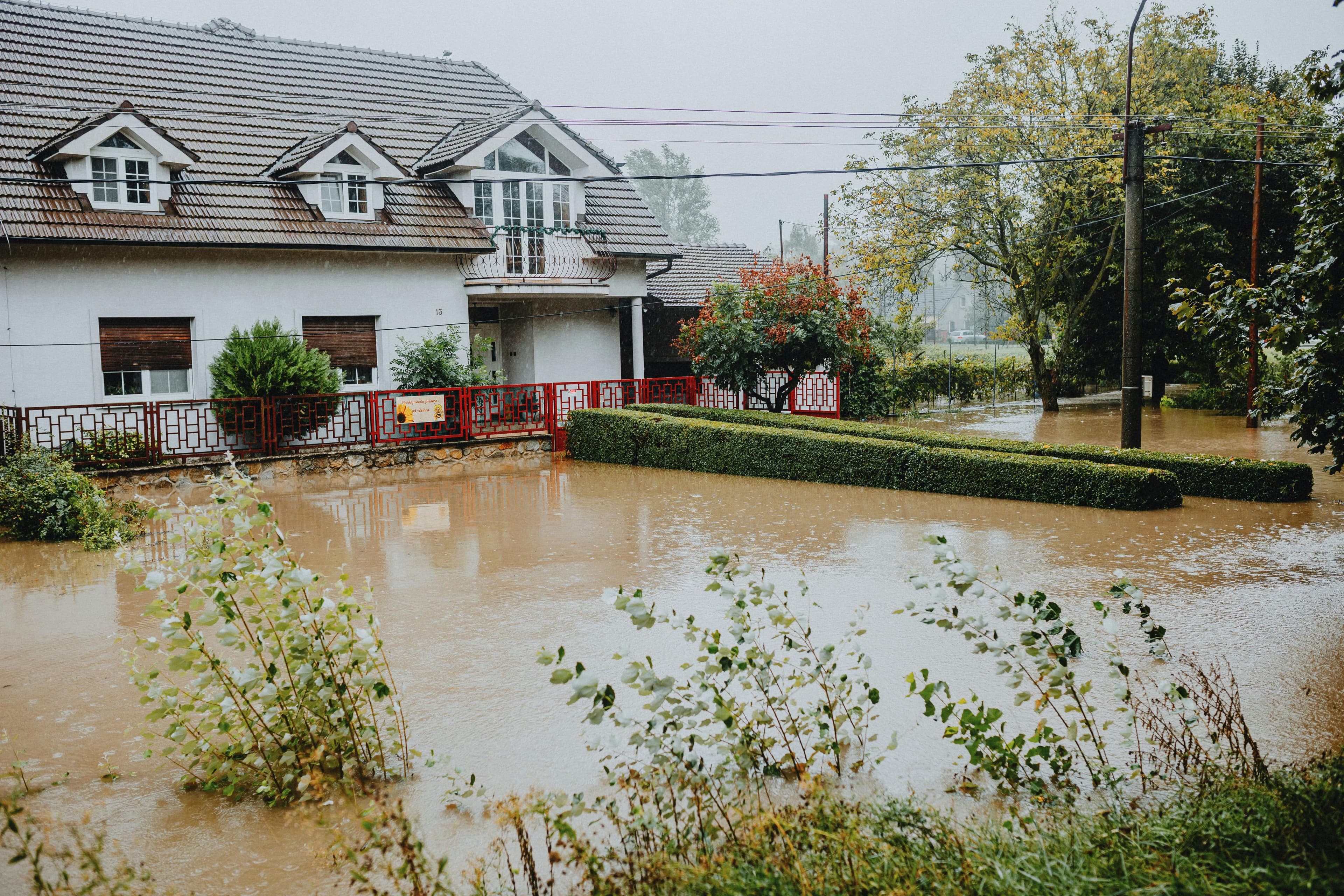
Flood zones in Australia: what every property buyer should know
Flood-zone homes trade at around an 8.5% discount and lag the market for years. Here is what every Australian buyer should weigh before making an offer.
 Critical property factor
Why bushfire-zone homes trade at a premium, until they don't
Building a home to BAL-29 can add $30,000 to the price. The full picture of what bushfire-zone living costs Australian buyers, from construction to insurance to resale.
 Important property factor
How much is a north-facing house actually worth?
Australian buyers paid an average of $375,500 more for north-facing homes in 2025. And 'north-facing' does not mean what most first-time buyers assume.